Most scholars would date the origins of neoliberalism to the 1970s, when a range of crises gave rise to new forms of market-oriented governance. In that moment, we’re told, the old model of embedded liberalism was replaced by more privatized and flexible forms of statecraft. Even committed liberals in the United States were now heralding public-private partnerships, fiscal discipline, and subsidies for business-led growth.
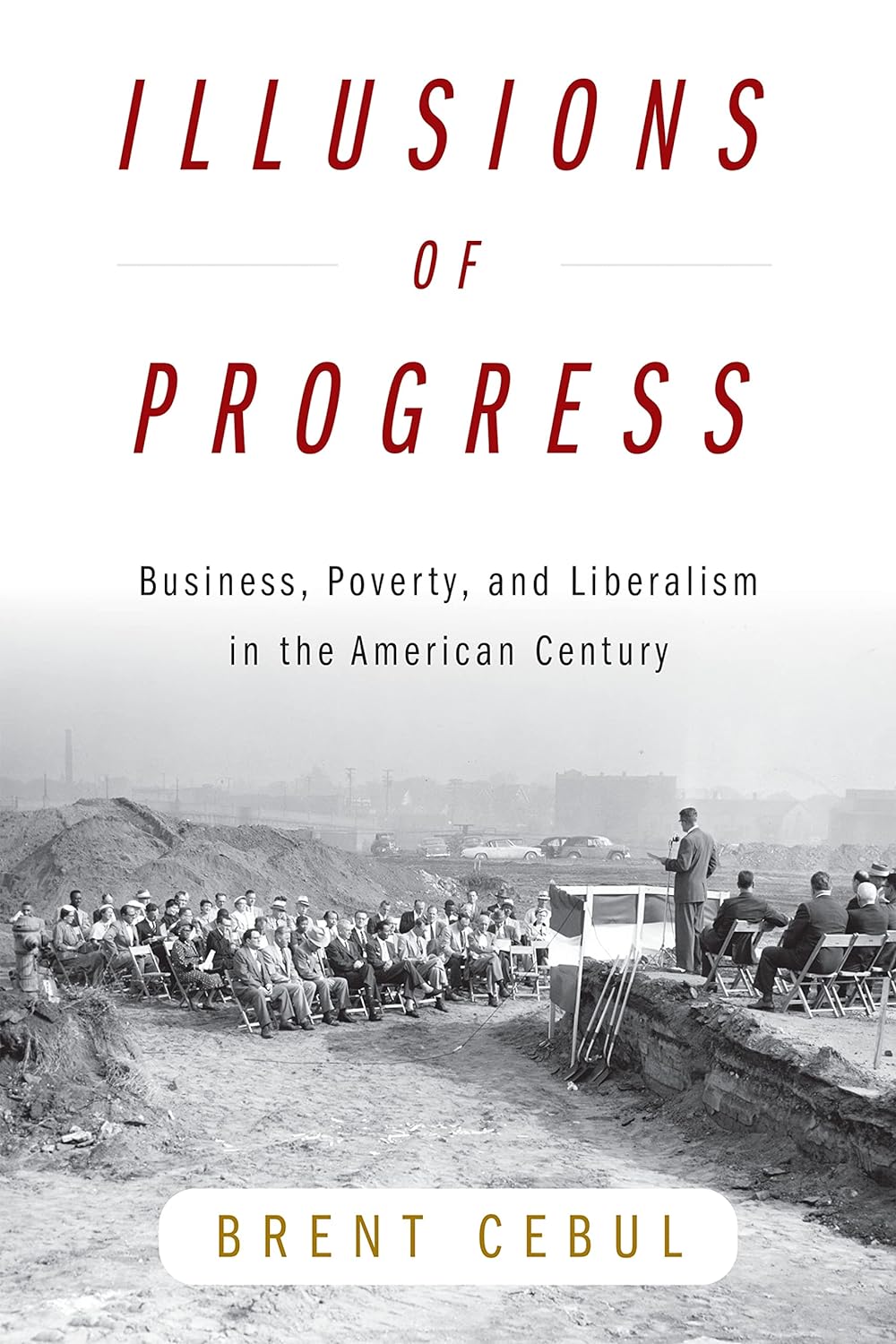
But as we’ll learn on today’s episode, liberalism’s sharp turn towards neoliberalism wasn’t so sharp after all. In fact, as early as the New Deal, liberals tried to realize their policy goals through market means. And officials in Washington worked hand-in-hand with otherwise conservative business and municipal elites on those development programs.
Throughout the entirety of the long twentieth century–not just since the 1970s–liberals have bound their visions of progress to the local needs of capital. In the process, they’ve ended up entrenching the very inequalities that they had set out to solve in the first place.
Check out the episode here!
Brent Cebul is an assistant professor of History an the University of Pennsylvania, where he works on 20th century United States history with interests in political history and state building, urban history, political economy and capitalism, race and inequality, federalism, and business-state interaction. In addition to co-editing a volume of essays that recenters the growth of big government in 20th century political history, a number of recent publications explore the politics of market creation and poverty. Cebul also has an ongoing interest in the digital humanities and was a lead project investigator for Renewing Inequality, which, as part of American Panorama, was awarded the 2019 Roy Rosenzweig Prize for Innovation in Digital History from the American Historical Association.
 Who Makes Cents